When Dental Pain May Indicate the Need for a Root Canal
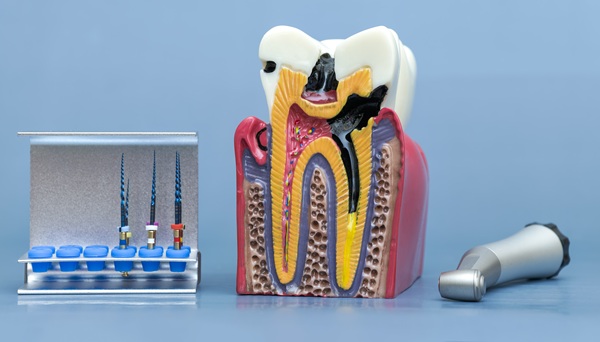
Are you experiencing dental pain? Recognizing when a root canal is required can be the difference between saving a natural tooth and needing a total extraction. If you are experiencing dental pain, understanding the following signs will help you decide when to seek professional care.
Severe and constant tooth pain
One of the most prominent indicators of internal damage is persistent, intense pain that does not resolve with over-the-counter medication. This discomfort stems from inflammation of the dental pulp, which is the soft tissue containing nerves and blood vessels. When bacteria infiltrate the pulp chamber through a cavity or crack, the resulting pressure can cause severe pain. This pain may feel like a deep, throbbing sensation that radiates into the jawbone or the ear. In many cases, the ache is random and occurs without any specific trigger.
Lingering sensitivity to temperature
While minor sensitivity is common, a lingering reaction to hot and cold temperatures is another common sign of nerve damage. If the discomfort remains for several minutes, the pulp is likely damaged beyond the point of self-repair. Prolonged dental pain suggests that the nerve is either dying or in irreversible pulpitis.
Gum swelling and tenderness
Inflammation that spreads from the tooth to the surrounding gingival tissue often indicates an active infection. The gums may appear red and swollen, or feel tender to the touch. This swelling occurs because the body is attempting to flush out bacteria that have escaped the root tip and entered the surrounding bone, leading to pressure in the jaw. Without immediate treatment, this localized swelling can progress into a systemic issue, affecting the patient’s overall health.
Tooth discoloration or darkening
When combined with dental pain, a change in the color of a single tooth is a visual indicator of internal tissue necrosis. When the pulp dies, the tooth no longer has blood flow, and the internal structure begins to decay. As a result, the enamel takes on a grayish, dark yellow, or blackish hue. This discoloration is not a surface stain and cannot be removed with whitening treatments.
Dental abscess
An abscess represents a more advanced stage of infection, in which a pocket of pus forms at the end of the root. This serious condition requires immediate clinical attention to prevent bone loss or the spread of the infection to other parts of the body. There are several specific physical signs associated with a dental abscess:
- A persistent, pimple-like bump on the gums
- A foul or bitter taste in the mouth
- Chronic bad breath (halitosis)
- Visibly swollen lymph nodes in the neck or under the jaw
- A feeling of heat or warmth in the gum tissue
- Difficulty swallowing or opening the mouth fully
Each of these signs suggests that the infection is active and potentially dangerous. Immediate diagnosis and root canal treatment can remove the source of the bacteria and protect the patient from long-term damage.
Schedule an appointment today
If you notice any of these warning signs, do not ignore them. A root canal is a routine procedure designed to eliminate pain and restore your oral health. Contact Dental Cosmetic Center of Piscataway today to schedule an exam at our Piscataway office and find relief.
Request an appointment here: https://www.piscatawaydental.com or call Dental Cosmetic Center of Piscataway at (732) 227-4819 for an appointment in our Piscataway office.
Check out what others are saying about our dental services on Yelp: Root Canal in Piscataway, NJ.
Related Posts
An abscessed tooth is a painful and serious dental condition that requires immediate care from an emergency dentist. This condition develops when a bacterial infection forms inside the tooth or gum, leading to swelling, pain, and sometimes fever. Without prompt treatment, the infection can spread to other areas of the body, making early intervention critical…
When missing teeth affect your overall quality of life, implant supported dentures offer a solid, lasting fix to restore a healthy smile and clear speech. Modern dental care gives patients great choices for full-mouth restoration. However, few options match the strength and everyday ease of anchor-supported dentures. If you are tired of loose plates or…
Modern dental crowns protect a damaged tooth and restore the ability to chew comfortably, but a restoration that sits incorrectly often creates a persistent ache or a strange sensation. A high-quality cover should feel like a natural part of the smile and function without drawing any negative attention to the area. When the opposite occurs,…
If you have spent any time looking at smile transformations online, you have likely seen traditional dental veneers and no-prep alternatives mentioned as the go-to solution for a wide range of cosmetic concerns. While these thin shells can create a dramatic change, the type you choose depends on the health of your enamel and your…